



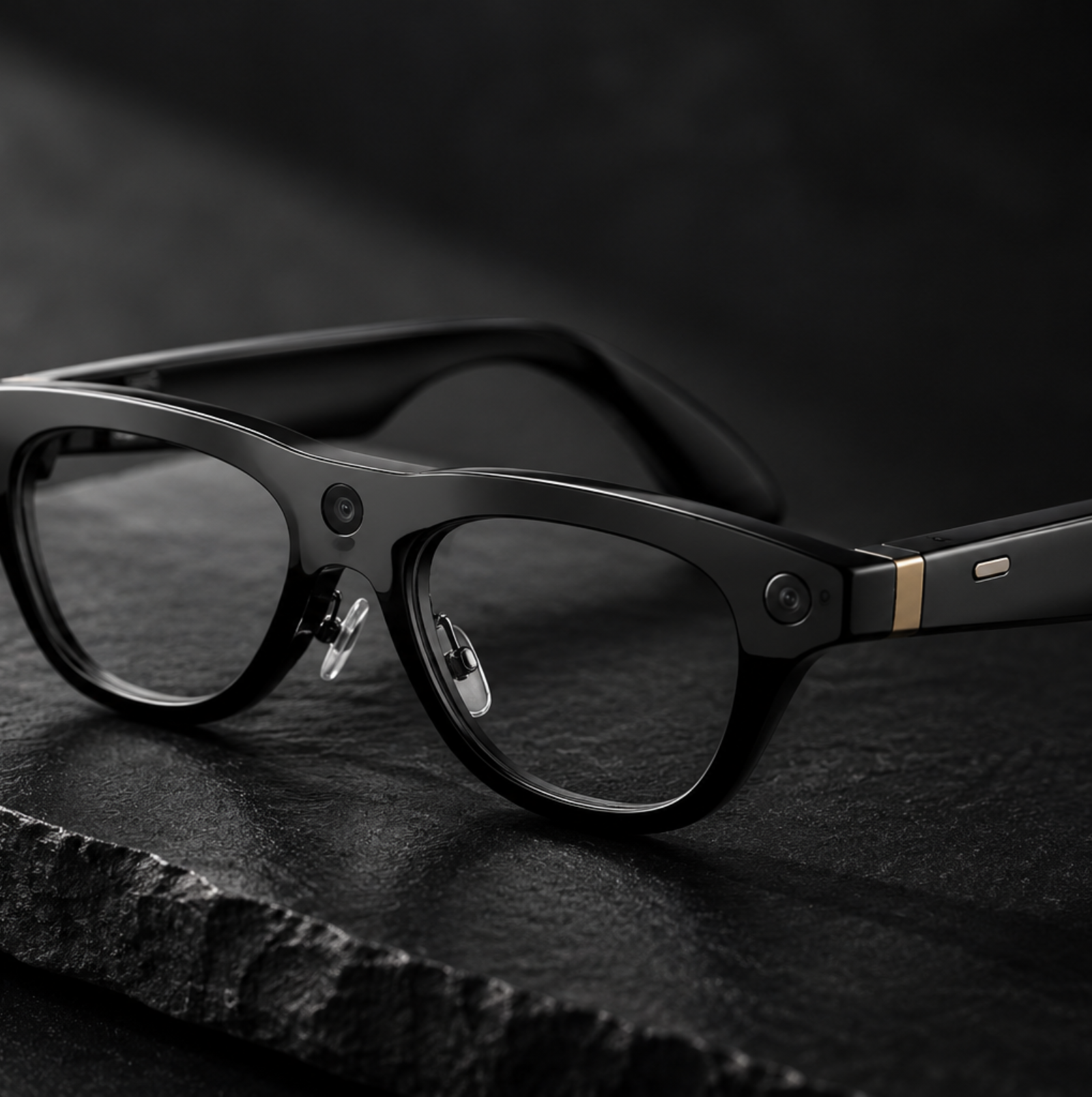
As global technology companies race to develop AI-powered smart glasses, South Korean startup LetinAR is focusing on one of the most important parts behind the technology — the optical lens system.
The company, backed by LG Electronics, recently raised $18.5 million in new funding ahead of its planned public listing in South Korea in 2027. Investors in the round included Korea Development Bank and Lotte Ventures.
While major technology companies such as Meta, Google, Samsung, and Apple are developing AI-enabled smart glasses, LetinAR is building the optical technology that makes such devices lightweight, practical, and energy efficient.
The startup was founded in 2016 by longtime friends Jaehyeok Kim and Jeonghun Ha. Their goal is to solve one of the biggest technical challenges in the smart glasses industry — creating a display system that delivers bright, clear images without making the glasses bulky or draining battery life quickly.
LetinAR’s technology, known as “PinTILT,” uses a specialized optical structure that directs light more efficiently into the user’s eyes. According to the company, this approach allows smart glasses to remain thinner, lighter, and more power-efficient compared to existing technologies.
Industry experts say optics are one of the most difficult parts of AI glasses development because manufacturers must balance image quality, weight, battery performance, and comfort within a very small device.
The company believes smart glasses could become the next major computing platform after smartphones, especially as AI assistants become more integrated into daily life.
Global interest in AI glasses is growing rapidly. Market analysts estimate that worldwide shipments of AI-enabled smart glasses increased sharply in 2025 and are expected to continue rising as more consumer electronics companies enter the market.
LetinAR’s optical modules are already being used by customers including Japan’s NTT QONOQ Devices and Dynabook. The startup is also reportedly working with major technology companies on next-generation AI glasses projects.
One of its notable partnerships includes Swiss company Aegis Rider, which is developing an AI-powered augmented reality motorcycle helmet that displays navigation and safety information directly in the rider’s field of vision.
The latest funding brings LetinAR’s total investment to more than $41 million. The company plans to use the new capital to expand production and prepare for growing global demand as AI glasses move from early adoption to large-scale consumer markets.
Industry observers believe companies developing advanced optics and hardware components could play a major role in the future AI ecosystem as wearable devices become more common.
Source: International technology and startup industry reports