


More than 10 years after the failure of Google Glass, Google is preparing to return to the smart glasses market with a new AI-powered wearable device.
The company revealed its latest smart glasses during its annual developer conference, announcing plans to launch the product later this year.
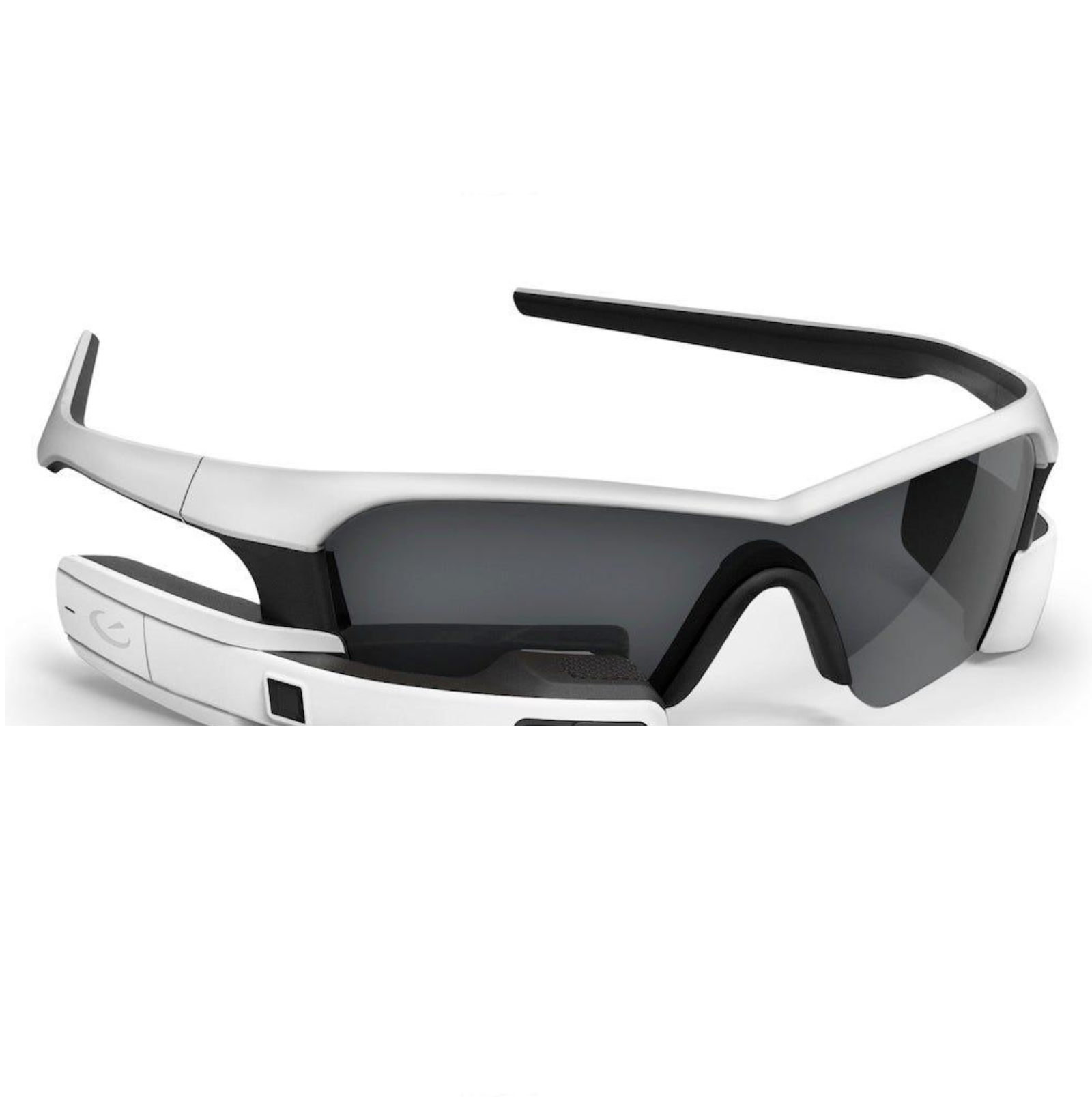
The new glasses will include a small camera built into the frame and speakers placed in the arms, allowing users to interact with Google’s AI assistant, Gemini, through voice commands while keeping their hands free.
According to Google executives, the glasses are designed to provide users with private audio-based assistance throughout the day without requiring them to constantly look at a smartphone screen.
Shahram Izadi said the product aims to help users remain “hands free and heads up” while accessing information, navigation, and AI-powered support.
Google also confirmed that the glasses will work with both Android and Apple iOS devices.
The company showcased two different eyewear styles during the event, developed in partnership with Warby Parker and Gentle Monster.
While the first version will mainly rely on audio interaction, Google is also developing an advanced version featuring an in-lens display capable of showing text and visual information directly inside the glasses. That version is expected to be introduced later.
Google’s return to the category comes as competition in the smart glasses industry intensifies. Meta has already seen success with its AI-enabled Ray-Ban smart glasses, while companies including Apple, Snap, and Samsung are also expanding into wearable AI devices.
Industry analysts believe smart glasses could become the next major consumer technology platform after smartphones, especially as artificial intelligence becomes more integrated into everyday life.
However, privacy concerns remain one of the biggest challenges for the industry. Google Glass faced strong criticism over fears related to recording people without consent, and similar concerns have already emerged around newer AI glasses currently on the market.
Despite those concerns, investors and developers appear increasingly optimistic about the future of AI-powered wearable technology.
Experts say smart glasses could eventually combine services such as navigation, messaging, AI assistants, voice search, and augmented reality into a single wearable device.
Google has not yet announced official pricing details or a final release date for the glasses.
Source: International technology and AI industry reports