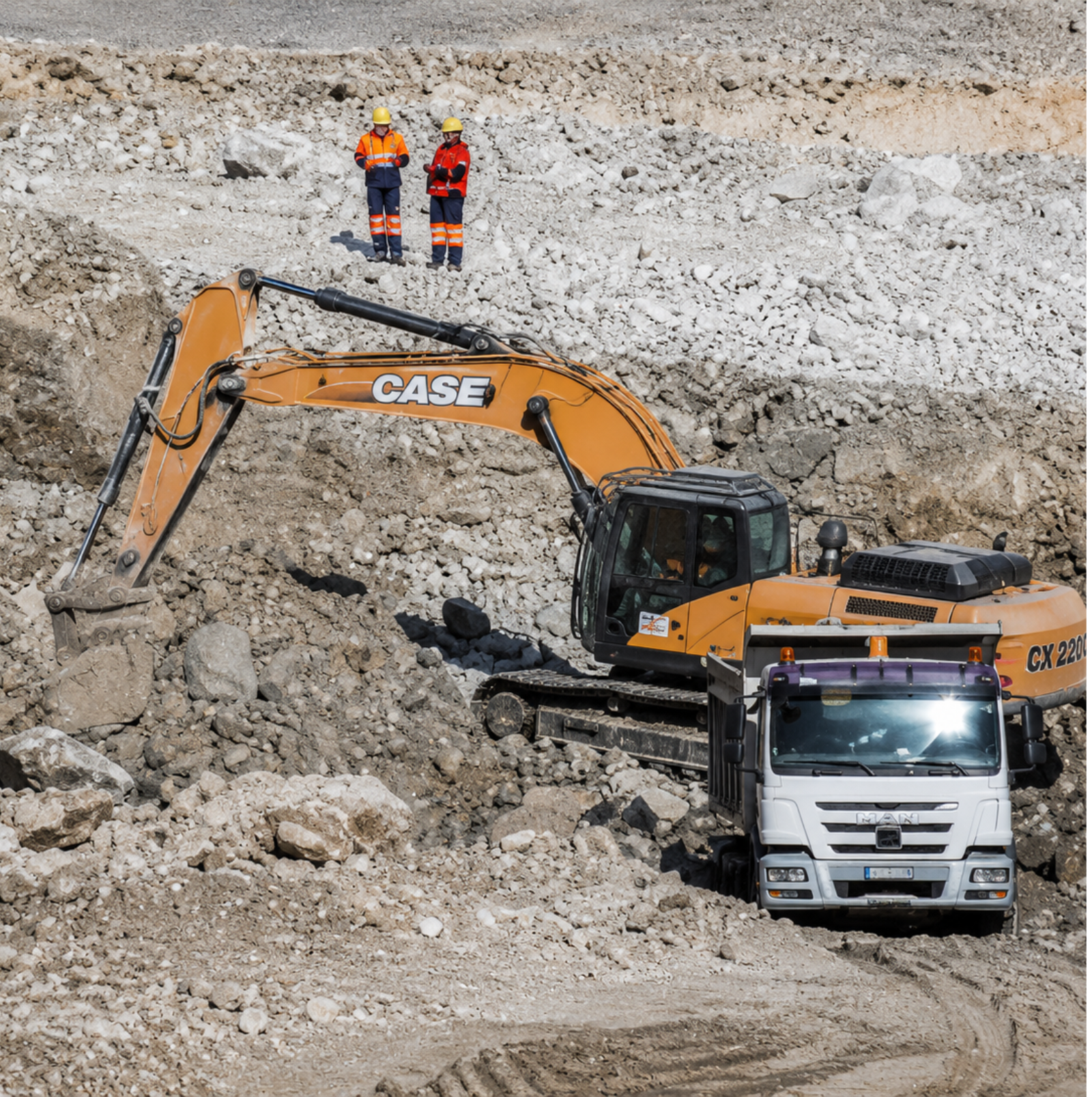



Oman has formally ratified its railway agreement with the United Arab Emirates, clearing another regulatory milestone for the $2.5 billion Hafeet Rail project as construction advances on the planned cross-border railway.
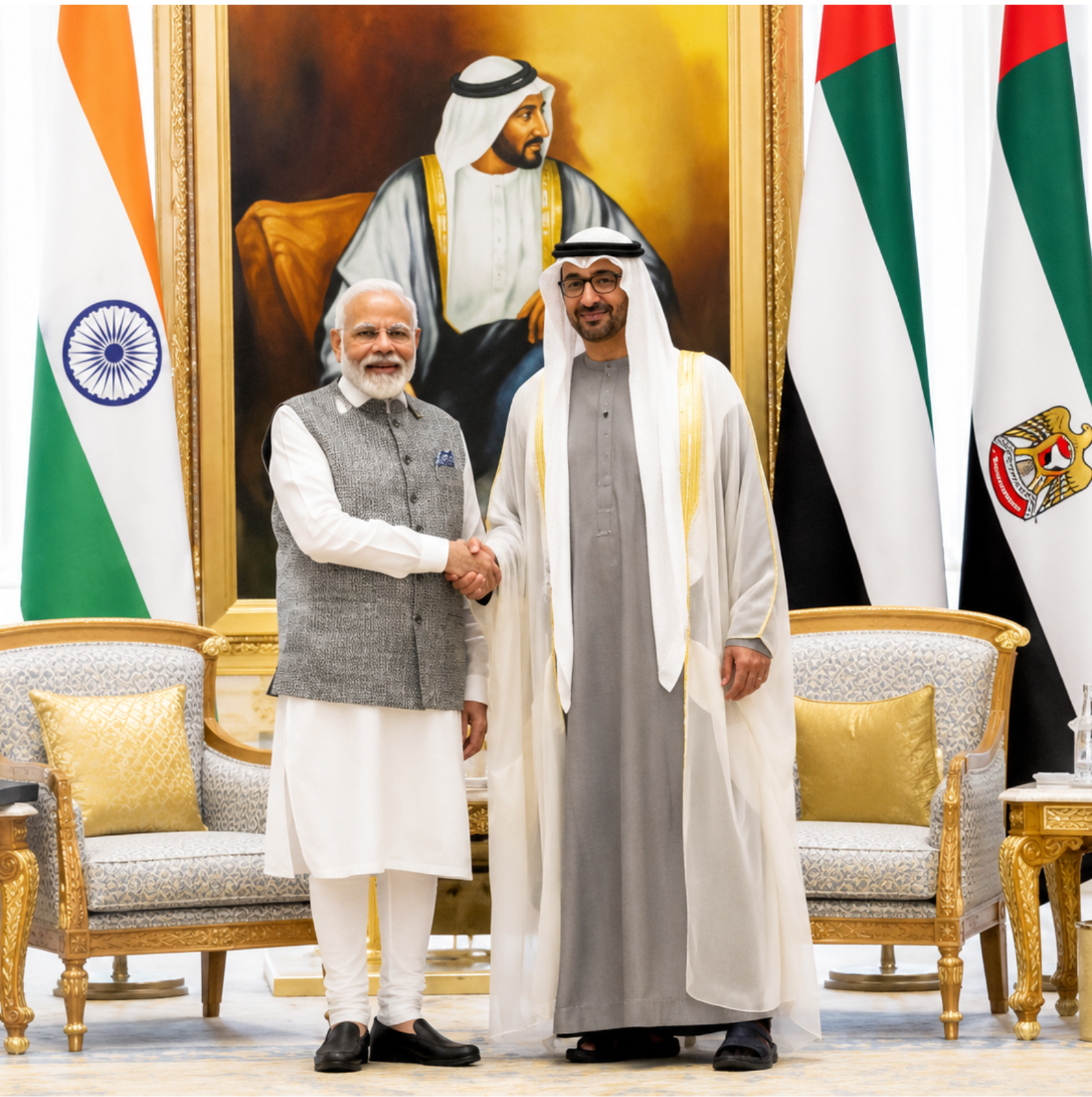
The agreement was approved under Royal Decree No. 75/2026, one of 10 Royal Decrees issued by Sultan Haitham bin Tarik. The bilateral agreement was originally signed on June 21, 2026, with the royal decree taking effect on September 3.
Hafeet Rail to Connect Oman With UAE Network
At the centre of the project is Hafeet Rail, a joint venture involving Etihad Rail, Oman Rail and Mubadala Investment Company.
The planned 238-kilometre railway will link Sohar in northern Oman with the UAE’s national rail network through Al Buraimi and Al Ain. The project is designed to create a direct transport corridor between Oman’s major industrial and maritime hub and the UAE’s expanding rail and logistics infrastructure.
Beyond passenger transportation, the railway is expected to strengthen trade links by providing businesses with a new route for moving raw materials, manufactured products and other cargo between ports, industrial centres and regional markets.
The project has an estimated value of around $2.5 billion and has secured approximately $1.5 billion in financing from a consortium of regional and international banks.
Sohar-Abu Dhabi Journey Could Take 100 Minutes
Passenger services are planned to operate at speeds of up to 200 kilometres per hour, with trains expected to accommodate between 350 and 400 passengers.
Once the railway becomes operational, travel between Sohar and Abu Dhabi is expected to take approximately 100 minutes, while the journey between Sohar and Al Ain could be completed in around 47 minutes.
Freight Corridor to Support Regional Trade
Freight transportation is expected to play a major role in Hafeet Rail’s commercial strategy. By connecting Sohar’s port and industrial facilities directly with the UAE rail network, the project could provide companies with an additional option for moving goods across the Oman-UAE border.
The railway is therefore positioned as more than a passenger connection. It forms part of a broader effort to strengthen Gulf logistics infrastructure, regional trade and supply-chain connectivity while supporting economic diversification in both Oman and the UAE.
With the bilateral agreement now formally ratified, the Hafeet Rail project has cleared another important institutional milestone as work continues toward establishing a direct rail connection between the two countries.