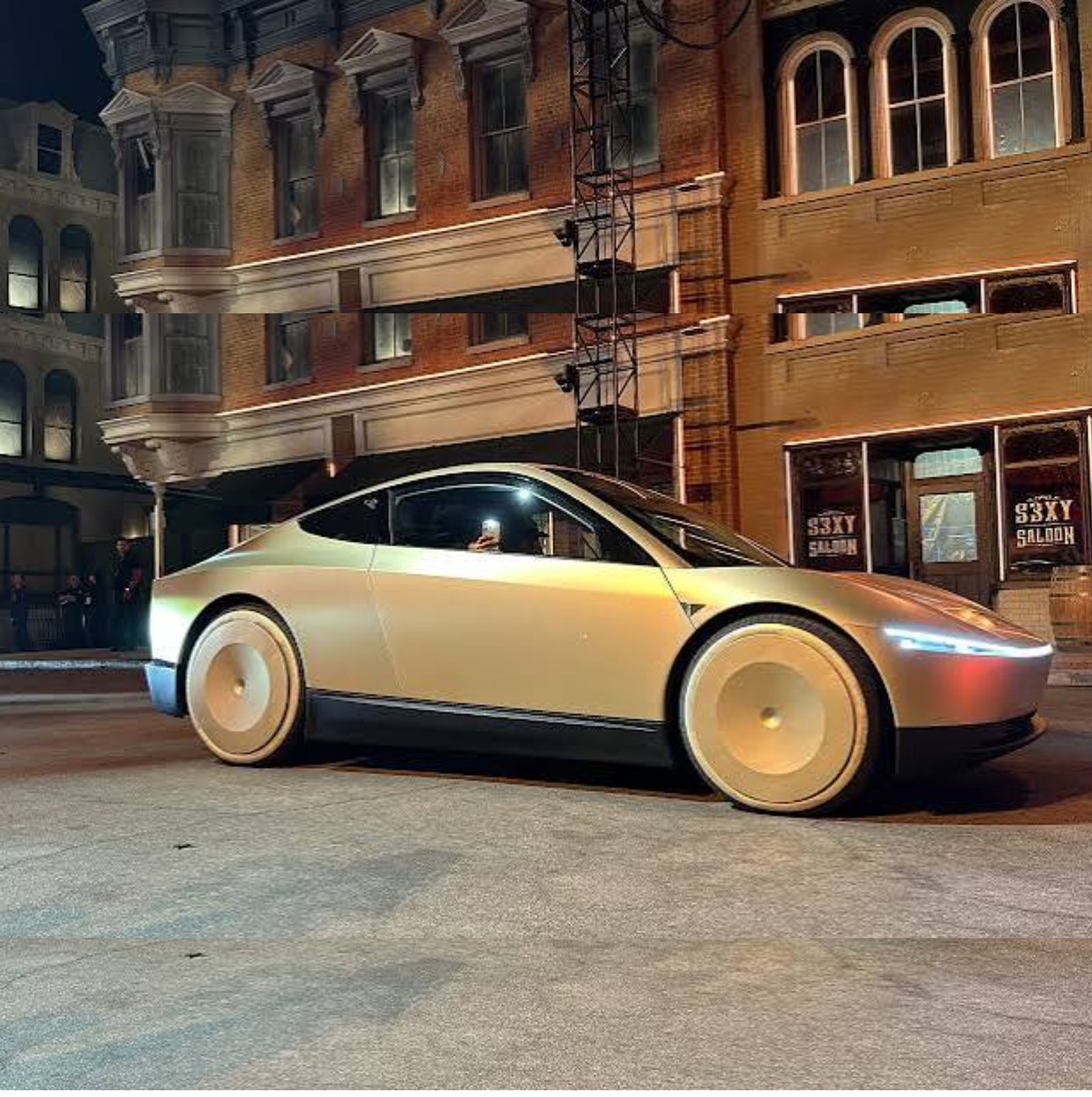

U.S. federal regulators have opened an investigation into Tesla’s launch of its Cybercab autonomous vehicle, focusing on the decision to deploy vehicles on public roads without conventional steering wheels or brake pedals.
The National Highway Traffic Safety Administration (NHTSA) launched the inquiry shortly after Tesla began putting its first Cybercabs into service in Austin, Texas. The move raises questions about how Tesla determined that the purpose-built autonomous vehicle complies with existing federal vehicle safety requirements.
NHTSA Examines Tesla’s Self-Certification
Under current Federal Motor Vehicle Safety Standards (FMVSS), vehicles are generally required to meet rules covering traditional driver controls, including braking systems. Tesla told NHTSA that it had self-certified the Cybercab as compliant with all applicable federal safety standards.
NHTSA said its investigation will examine the technical information and certification process Tesla used. Regulators will also assess whether Tesla’s certification relied on conclusions that certain safety standards do not apply to a vehicle designed to operate without human controls.
NHTSA Administrator Jonathan Morrison said the agency supports the development of automated vehicles but must ensure manufacturers comply with existing laws. He described the agency’s approach as an effort to balance technological innovation with public safety.
Tesla Case Follows Earlier Zoox Review
The Cybercab inquiry has a precedent in the autonomous vehicle industry. In 2022, Zoox, the Amazon-owned robotaxi developer, self-certified a vehicle with a similar design that does not include a traditional steering wheel or pedals.
NHTSA subsequently sought additional technical information from Zoox and later launched an audit query. The regulatory process contributed to delays in the company’s path toward commercial deployment.
Zoox eventually pursued federal exemptions for several vehicle safety standards. In July 2026, regulators granted final approval for an exemption covering eight FMVSS requirements, allowing Zoox to move closer to large-scale commercial robotaxi operations.
The exemption includes limits on fleet expansion, allowing Zoox to add up to 2,500 vehicles annually for two years. The company later began charging customers for robotaxi rides in Las Vegas.
Autonomous Vehicle Rules Are Changing
Tesla’s regulatory situation could develop differently as the federal government works to update vehicle safety standards for autonomous systems.
NHTSA said it is already revising portions of the FMVSS related to manual vehicle controls, arguing that the changes could support innovation while improving road safety.
However, the agency stressed that existing regulations remain legally applicable until those revisions are completed.
For Tesla, the investigation could become an important test of how regulators treat autonomous vehicles that are designed from the outset without conventional driver controls. The outcome may also influence the broader regulatory framework for fully autonomous vehicles operating on U.S. public roads.